2021.02.26
Why ceramic electrolytes are difficult to manufacture at scale
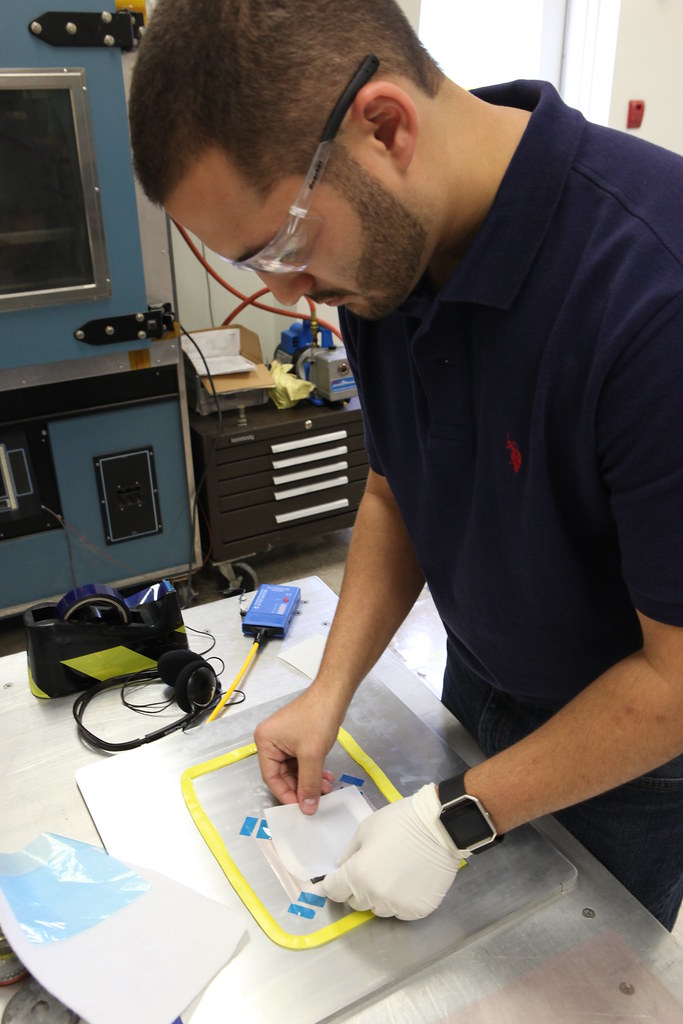
Ceramic electrolytes need more than high conductivity: they need clean interfaces, controlled porosity, and a repeatable sintering window.
Views 6,265Comments 7
Ceramic electrolytes need more than high conductivity: they need clean interfaces, controlled porosity, and a repeatable sintering window.
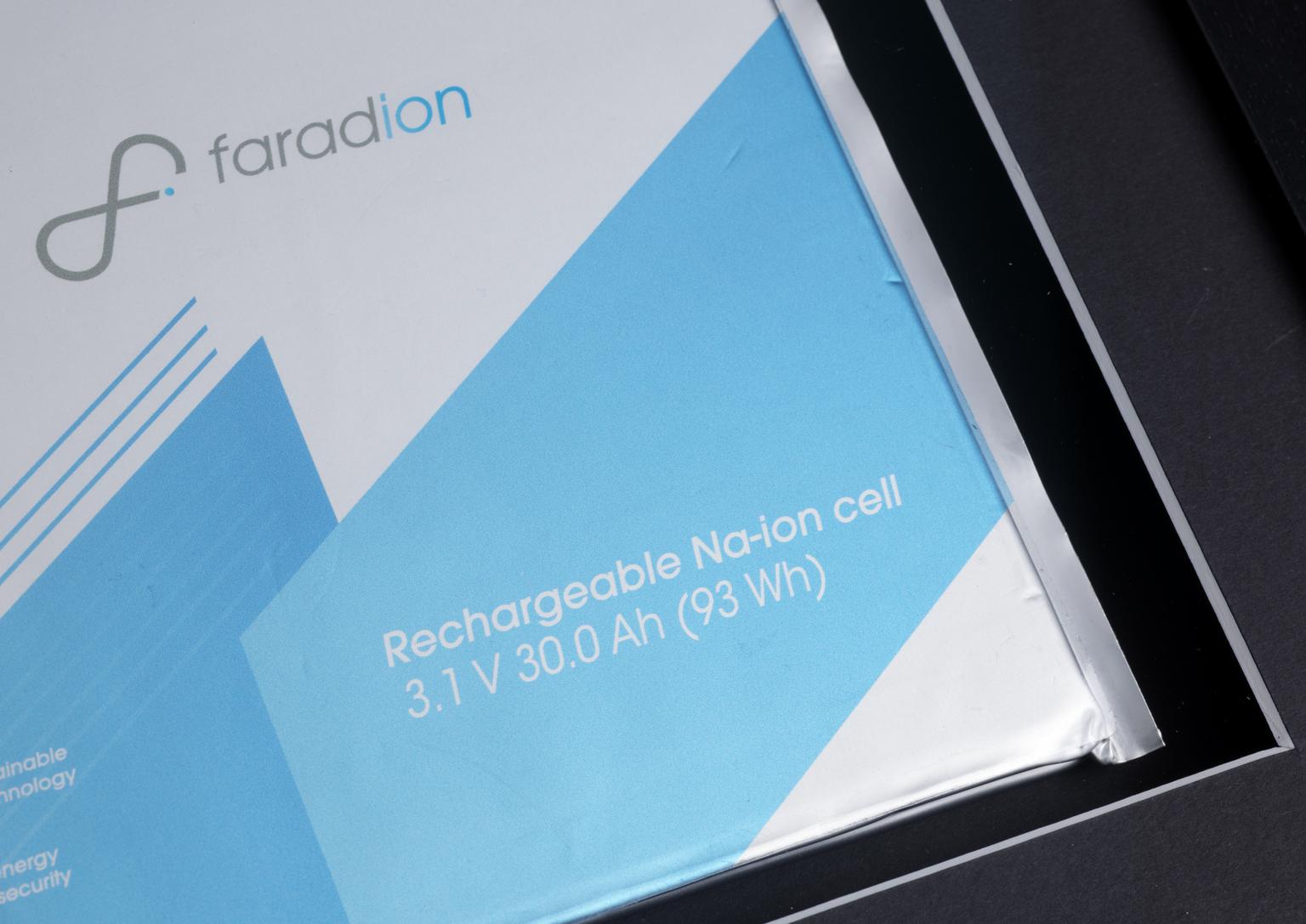
Sodium is abundant, but its larger ions force engineers to rethink crystal structure, cycle life, and low-temperature performance.
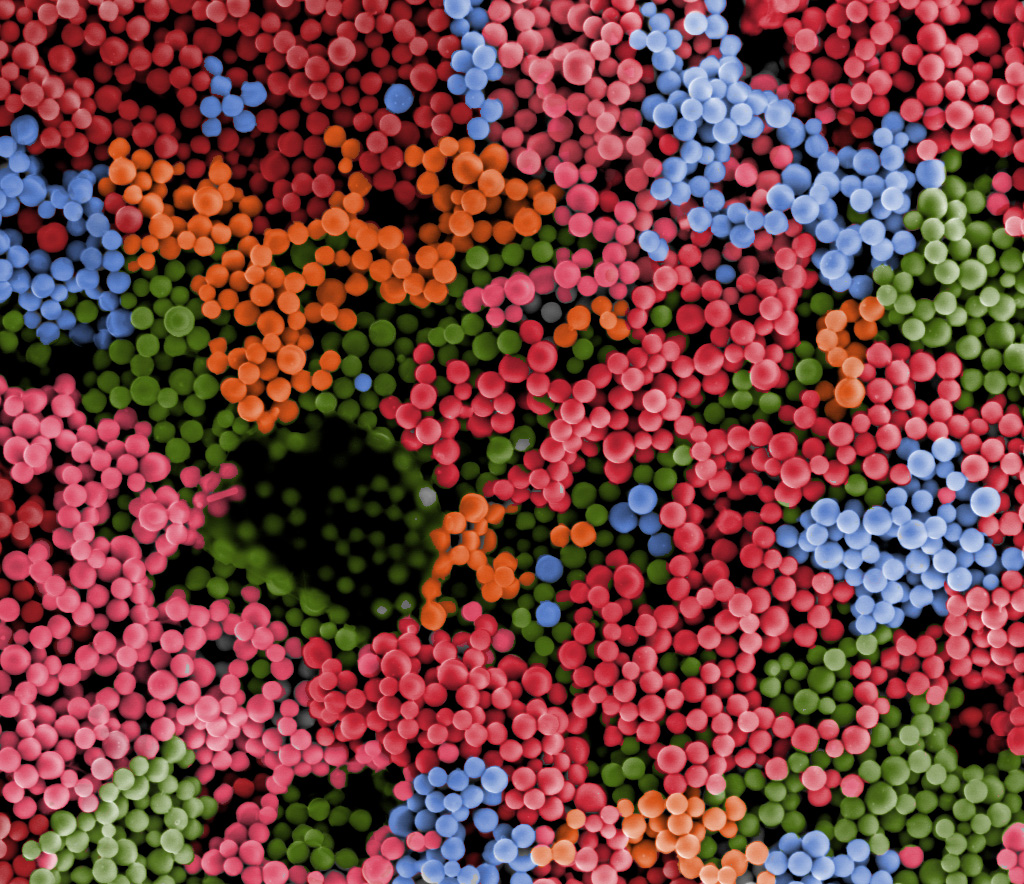
Silicon can store much more lithium than graphite, yet repeated expansion turns particle fracture and contact loss into the central design challenge.

In a redox-flow battery, ion-selective membranes must balance conductivity, crossover resistance, chemical stability, and cost.

Tandem photovoltaics gain voltage by stacking absorbers, but every extra interface creates a new pathway for recombination and degradation.
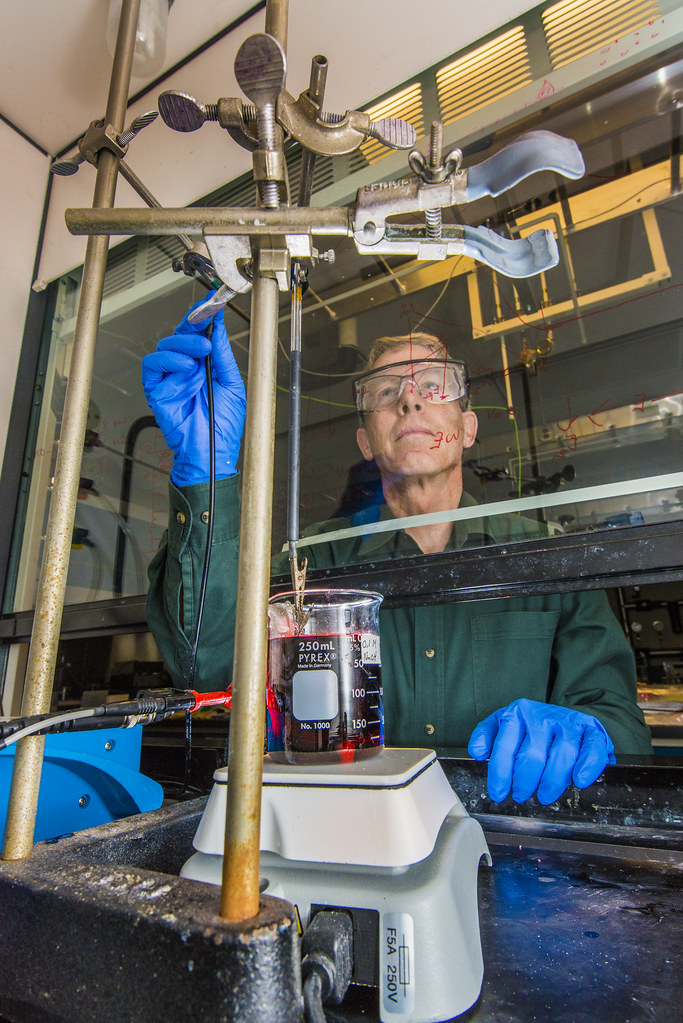
Useful thermoelectrics require electrical transport and heat transport to be tuned in opposite directions, making defects and interfaces decisive.

Hydrogen-storage alloys absorb gas reversibly, but pressure hysteresis, heat management, and cycling stability control their practical value.