2022.11.23
Why carbon-fiber composites fail at the fiber–matrix boundary
The strongest fiber cannot deliver its potential without a carefully engineered interface that transfers load without creating brittle damage.
Views 9,610Comments 8
The strongest fiber cannot deliver its potential without a carefully engineered interface that transfers load without creating brittle damage.
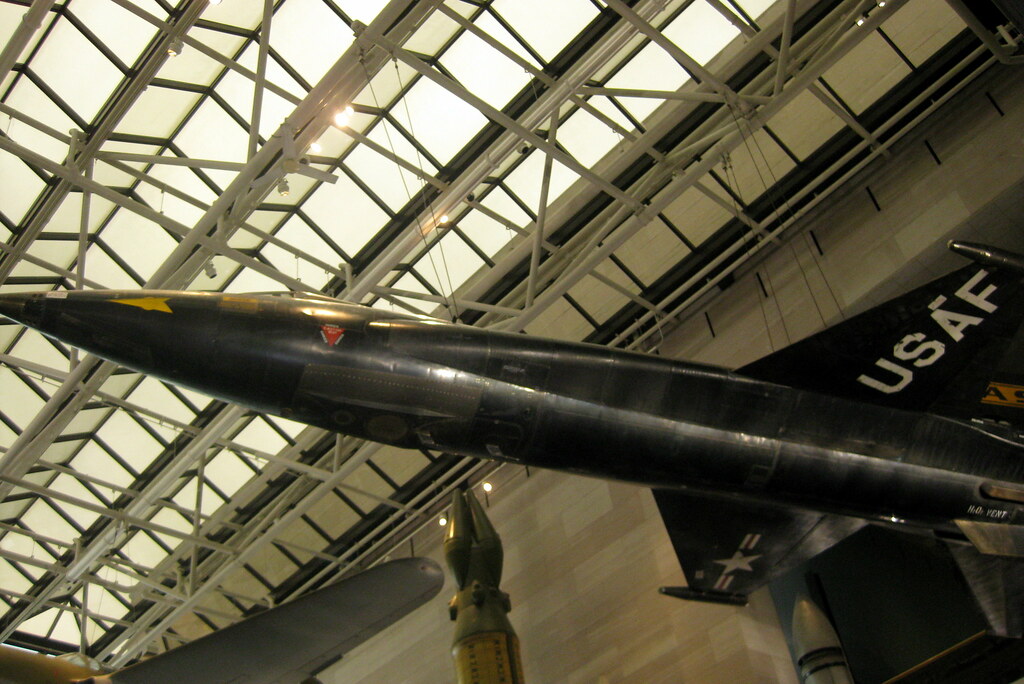
Titanium alloys combine strength and corrosion resistance with stubborn machining, joining, and contamination problems.

Mixing several principal elements can create unusual combinations of strength, toughness, corrosion resistance, and thermal stability.
Amorphous metals avoid conventional grain boundaries, yet localized shear transformation can still trigger sudden failure.
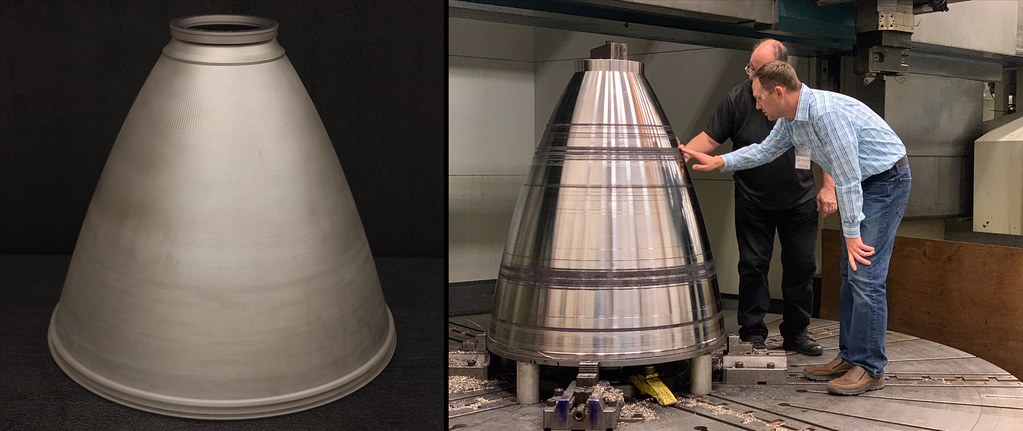
Particle size, flowability, oxidation, and packing density determine whether a metal additive-manufacturing process starts with a reliable feedstock.

Lack of fusion, keyhole pores, and spatter leave distinct signatures that connect laser parameters to the final part's fatigue life.
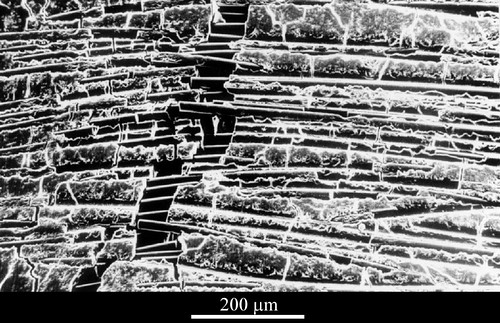
A brittle ceramic becomes useful in hot structures when fibers, coatings, and controlled interfaces deflect cracks instead of letting them run straight through.
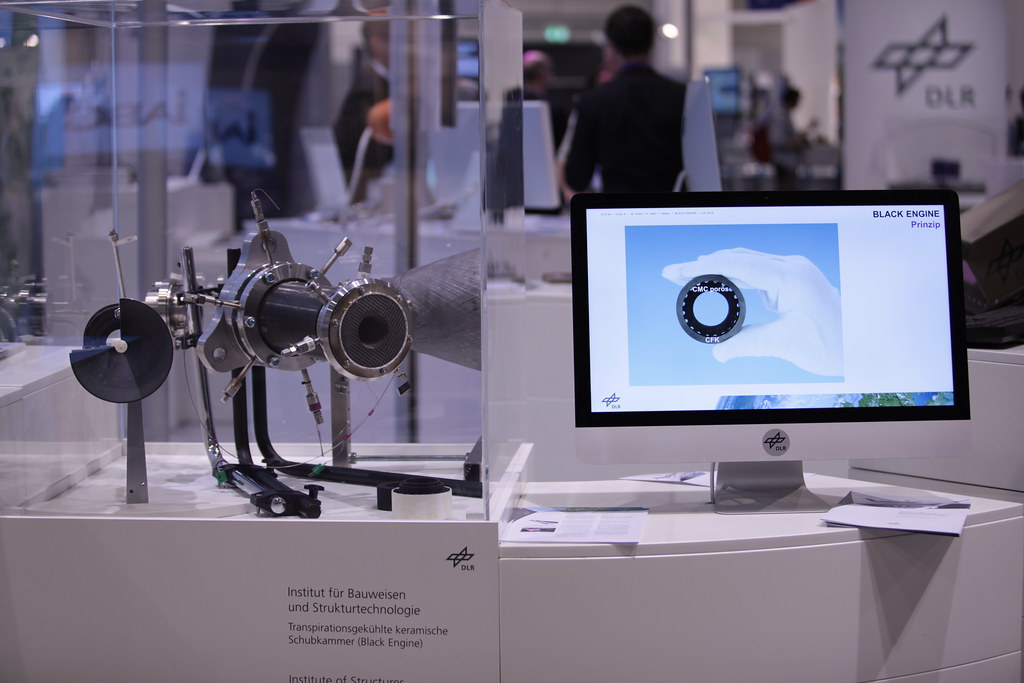
Boron carbide, zirconium compounds, and related ceramics combine extreme melting points with difficult oxidation and thermal-shock tradeoffs.